
Temporary Retaining Structure (TRS)
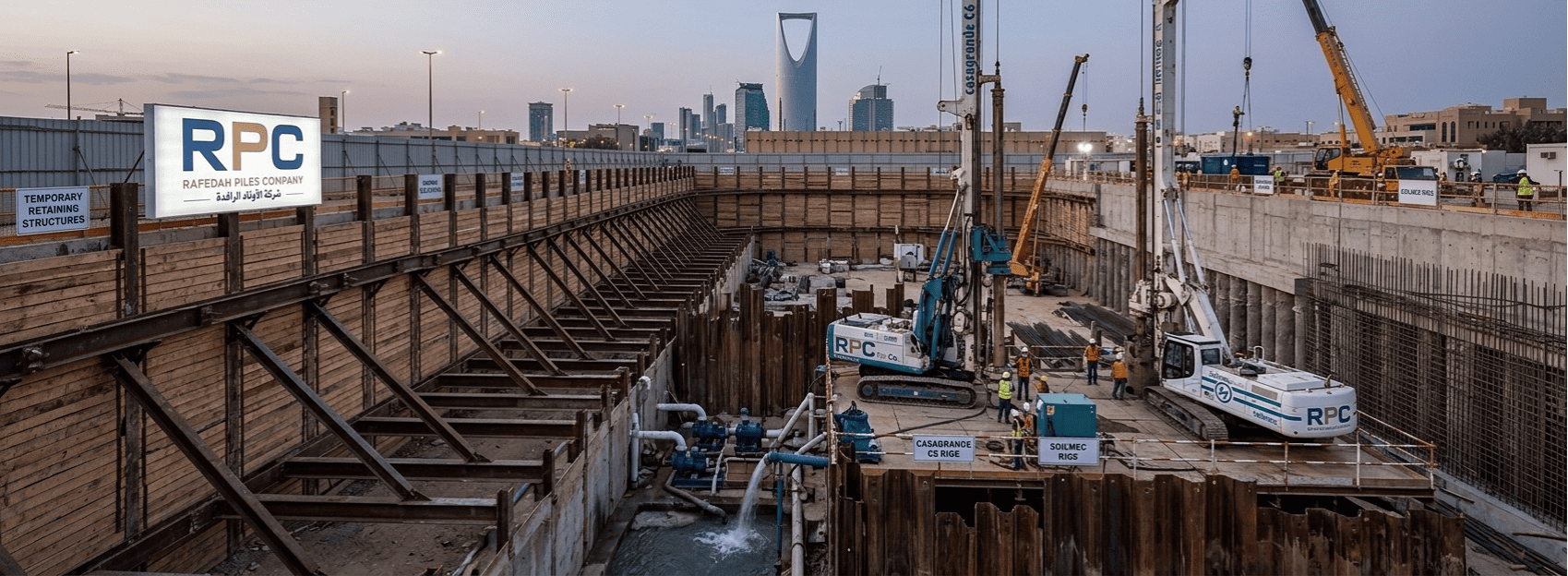
Temporary Retaining Structure (TRS): Reliable Support for Construction Sites 🏗️
A Temporary Retaining Structure (TRS) is a critical solution in construction projects where excavation and earth retention are required. TRS systems provide short-term support to soil and existing structures during construction, preventing collapses, soil erosion, and project delays. They are widely used in urban construction, basement projects, roadworks, and bridge foundations.
Temporary Retaining Structures come in various types, including sheet piles, soldier piles with lagging, and braced walls. These systems are designed to be quickly installed and removed, making them ideal for projects where permanent retention is not required.
Key Benefits of Temporary Retaining Structures ✅
Site safety 🦺 – Prevents soil collapse and protects workers.
Versatility 🔄 – Can adapt to different soil conditions and project requirements.
Time-efficient ⏱️ – Quick installation and removal save construction time.
Cost-effective 💰 – Reduces expenses compared to permanent retaining solutions.
Minimal environmental impact 🌱 – Limits disturbance to surrounding areas.
How RPC Co Enhances TRS Efficiency 🚀
RPC Co specializes in delivering optimized Temporary Retaining Structure solutions, ensuring that excavation projects are safe, fast, and cost-efficient. Here’s how RPC Co can enhance TRS performance:
Advanced Design Solutions 🖊️ – Customized TRS layouts for complex site conditions.
High-Quality Materials 🛠️ – Durable steel and reinforced components for reliable support.
Efficient Installation ⚡ – Skilled teams and modern machinery for faster deployment.
Cost Optimization 💸 – Smart planning reduces material wastage and overall project costs.
Expert Guidance 👷 – Technical support throughout planning, installation, and dismantling.
Applications of TRS 🌍
Urban excavation and basement construction
Bridge and road infrastructure projects
Waterfront and riverbank works
Temporary support for high-rise building foundations
In conclusion, Temporary Retaining Structures are indispensable for safe and efficient excavation. With RPC Co’s expertise, construction teams can achieve faster project timelines, enhanced site safety, and reduced costs. Choosing RPC Co ensures your TRS projects benefit from advanced technology, precise planning, and professional support every step of the way.
Frequently asked questions about Temporary Retaining Structure (TRS)
1. What is a Temporary Retaining Structure (TRS) in construction?
A Temporary Retaining Structure (TRS) is a support system used to stabilize soil and prevent collapse during excavation or construction. RPC Co. specializes in TRS solutions for safe and efficient excavation projects.
2. Why are Temporary Retaining Structures important?
TRS prevents soil movement, protects adjacent buildings, and ensures worker safety during deep excavations. RPC Co. delivers engineered TRS solutions for reliable and efficient construction.
3. How does RPC Co. improve TRS efficiency?
RPC Co. uses advanced design tools, skilled engineers, and modern shoring equipment to reduce installation time and improve excavation stability.
4. When should Temporary Retaining Structures be used?
TRS is used during deep excavations, foundation works, basement construction, and urban projects where soil or slope stability is critical. RPC Co. assesses site conditions to deploy the most effective TRS system.
5. What types of Temporary Retaining Structures are available?
Common types include soldier piles with lagging, sheet piles, braced excavation walls, and modular shoring systems. RPC Co. selects the optimal system based on soil conditions and project requirements.
6. How do Temporary Retaining Structures prevent soil collapse?
TRS transfers soil pressure to structural supports, keeping excavation walls stable. RPC Co. ensures precise engineering and installation for maximum stability and safety.
7. Can Temporary Retaining Structures be used in urban areas?
Yes, TRS is ideal for urban construction near existing buildings and utilities. RPC Co. specializes in precise, low-impact installations to minimize disruption and maintain efficiency.
8. How long do Temporary Retaining Structures remain in place?
Typically, TRS is used temporarily during excavation and removed once permanent structural support is installed. RPC Co. manages installation and removal efficiently to save time and cost.
9. What materials are used in TRS construction?
TRS uses steel beams, sheet piles, bracing, and timber or modular panels. RPC Co. selects high-quality materials to ensure durability, strength, and project efficiency.
10. How does groundwater affect TRS projects?
Groundwater can weaken soil stability. RPC Co. integrates dewatering systems and drainage solutions with TRS to maintain excavation safety and structural integrity.
11. What are the advantages of using Temporary Retaining Structures?
TRS provides fast installation, adaptability to soil conditions, protection for adjacent structures, and cost-effective excavation support. RPC Co. enhances these benefits through modern engineering and optimized construction techniques.
12. How does RPC Co. ensure safety in TRS projects?
RPC Co. conducts soil testing, detailed engineering analysis, and continuous monitoring to ensure secure and reliable temporary support.
13. Can TRS reduce construction risks?
Yes, TRS minimizes the risk of soil collapse, settlement, and structural damage. RPC Co.’s optimized designs and skilled execution reduce risks and improve project reliability.
14. How does TRS improve construction efficiency?
By stabilizing excavation walls and preventing delays caused by soil movement, TRS allows construction to proceed faster and safer. RPC Co. combines advanced machinery and planning to maximize efficiency.
15. Why choose RPC Co. for Temporary Retaining Structure services?
RPC Co. delivers reliable, safe, and efficient TRS solutions using advanced technology, experienced engineers, and optimized installation methods for modern construction projects.
Need Expert Advise?
Whether you’re seeking professional guidance or want to explore our range of construction and engineering services, RPC Co. is here to help. Reach out to our team, and we’ll provide expert solutions tailored to your project’s needs.